Evolving UK Casino Reward Layers Transform Play'n GO Progressive Mechanics During Seasonal Events
Blake Jenkins · Aug 20, 2026
Evolving UK Casino Reward Layers Transform Play'n GO Progressive Mechanics During Seasonal Events
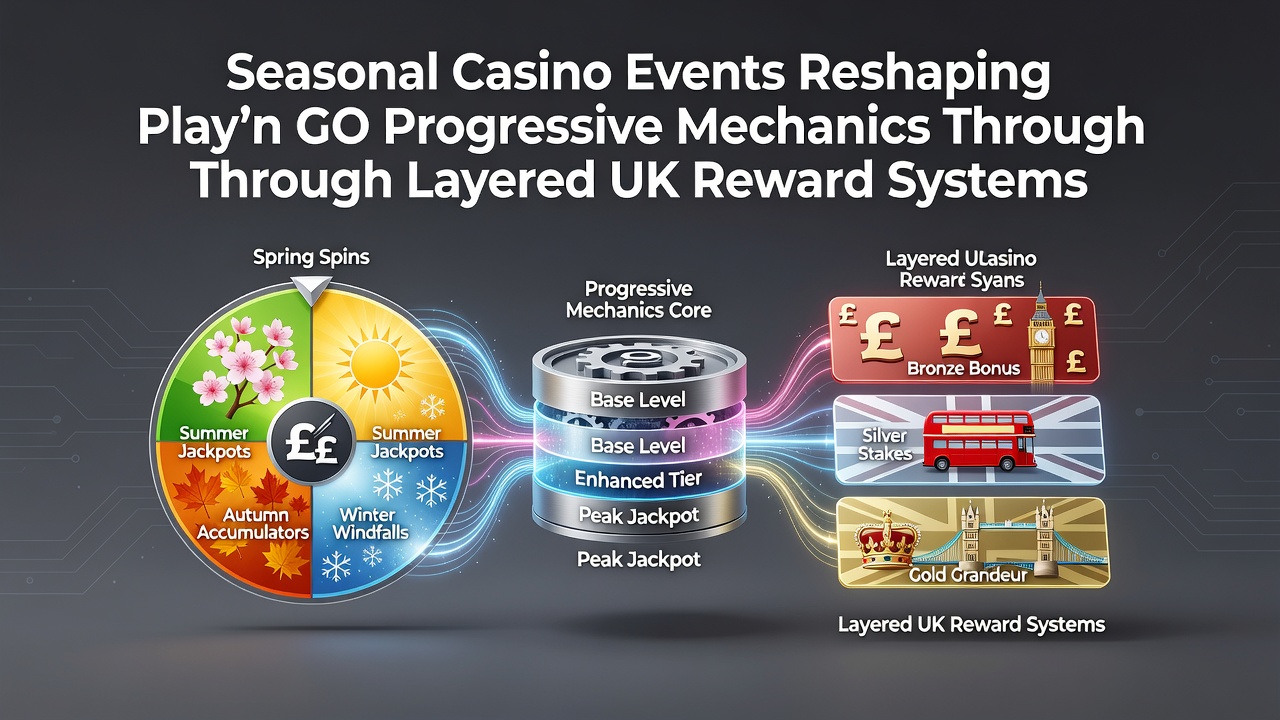
Seasonal casino events across the UK have begun integrating layered reward systems directly into Play'n GO progressive mechanics, creating new pathways for jackpot accumulation that adjust based on time-limited promotions and player engagement tiers. These structures combine free spin multipliers, deposit bonuses, and loyalty points into single frameworks that feed into progressive pools during periods such as summer festivals or winter celebrations. Data from industry reports indicates that operators have adjusted contribution rates to progressive meters when seasonal campaigns activate, allowing smaller base bets to unlock higher contribution percentages during peak event windows.
Mechanics Behind the Integration
Play'n GO progressive titles like those featuring accumulating jackpots now incorporate event-specific triggers where layered UK reward systems determine seed values and increment speeds. One study from European gaming analysts shows that during August 2026 promotional cycles, several platforms linked daily login streaks to enhanced progressive contributions, while bonus buy features received temporary boosts tied to accumulated reward points. Observers note that these changes allow the progressive meter to respond dynamically rather than following static daily increments, because reward layers convert player activity metrics into additional funding streams for the shared pools.
Researchers discovered that the layered approach segments players into categories based on activity volume, with each tier unlocking distinct contribution rates to the progressive jackpot. This segmentation works alongside standard game rules yet modifies how often the meter advances during seasonal windows, and it does so without altering the core random number generation that determines win probabilities.
Layered Reward Structures in Practice
UK operators have deployed multi-stage reward programs that stack daily challenges, weekly leaderboards, and milestone bonuses onto Play'n GO sessions. These layers feed into progressive mechanics by converting points earned through standard play into micro-contributions that accelerate jackpot growth during limited-time events. Figures from gaming trade groups reveal that participation in such programs rose notably when seasonal themes aligned with major sporting or holiday calendars, because the combined incentives encouraged longer session lengths and repeated deposits.
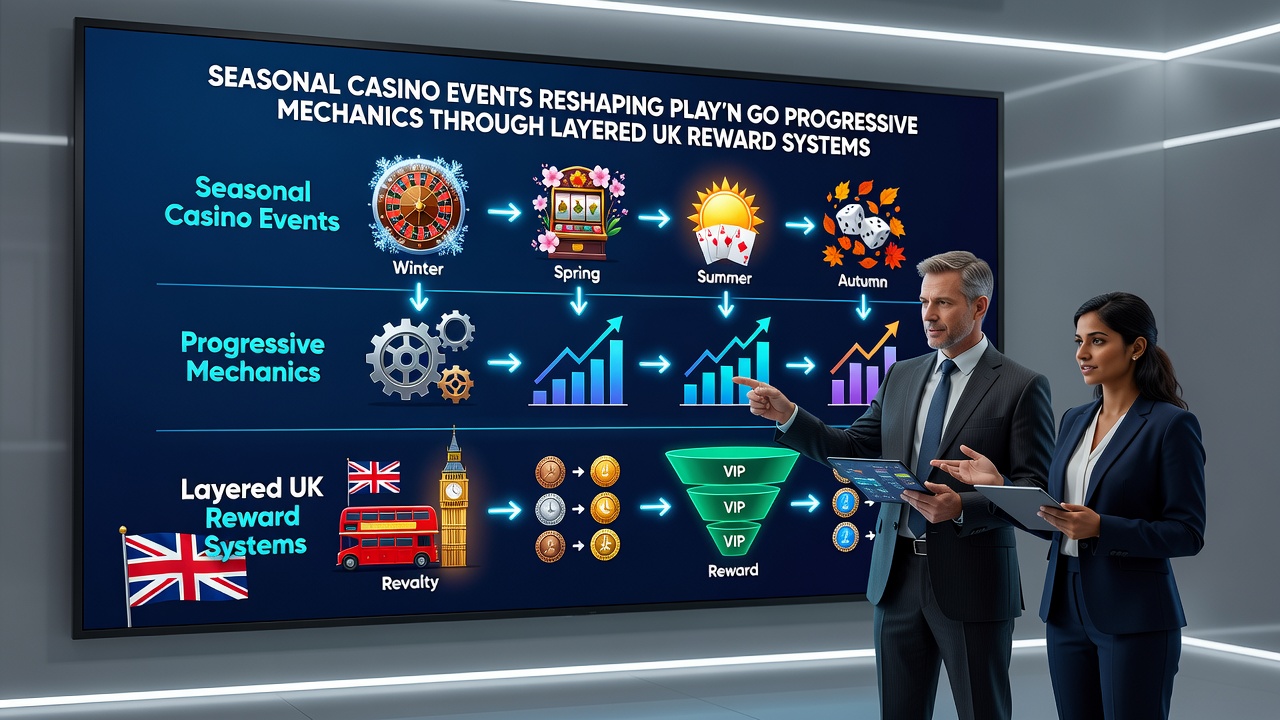
Take one operator who synchronized its August 2026 summer event with Play'n GO's existing progressive titles. The campaign introduced an additional reward tier that converted every 100 loyalty points into a fixed percentage boost to the progressive contribution rate, and this adjustment applied only while the seasonal promotion remained active. Those who've tracked similar implementations report that the meter reached new trigger thresholds faster than in non-event periods, while the base game volatility stayed consistent with published specifications.
Regulatory Context and Data Patterns
According to statistics compiled by the European Gaming and Betting Association, progressive jackpot activity in regulated markets has shown measurable shifts when operators introduce time-bound reward overlays. The patterns indicate higher aggregate contributions during event periods without corresponding changes in player win rates, because the additional funding derives from promotional budgets rather than increased house edge. A separate analysis conducted by researchers at the University of Nevada, Reno found comparable outcomes in markets where seasonal campaigns layered multiple incentive types onto progressive titles, confirming that meter growth accelerates while payout frequencies remain governed by the underlying mathematics.
These developments matter because they demonstrate how operators can scale progressive exposure through reward engineering instead of altering game parameters. Data indicates that UK players engaging with layered systems during seasonal windows encountered more frequent near-miss sequences on progressive titles, although the statistical likelihood of hitting the top prize stayed aligned with the published return-to-player percentages.
Future Trajectories Through 2026 and Beyond
Industry projections suggest that the August 2026 cycle will expand these integrations further, with Play'n GO mechanics potentially incorporating real-time adjustments based on aggregate reward point totals across participating operators. Such refinements would allow progressive pools to receive variable funding streams calibrated to seasonal participation levels, while maintaining compliance boundaries set by regional oversight bodies. Observers tracking these trends note that the combination of layered rewards and progressive systems creates feedback loops where player retention directly influences jackpot visibility and perceived value.
Conclusion
Seasonal casino events continue to reshape Play'n GO progressive mechanics through the deployment of layered UK reward systems that convert engagement metrics into accelerated jackpot contributions. The documented patterns show measurable differences in meter growth rates during promotional windows, driven by tiered incentives rather than modifications to core game logic. As these frameworks evolve, data from multiple regulatory regions and academic sources indicates that operators will likely refine the connections between reward layers and progressive funding, producing structures that respond to seasonal calendars while preserving established randomness and payout parameters.