Feedback Mechanisms Linking Performance Assessments to Reward Structures in High-Stakes Reel Spins
Dana Bennett · Aug 22, 2026
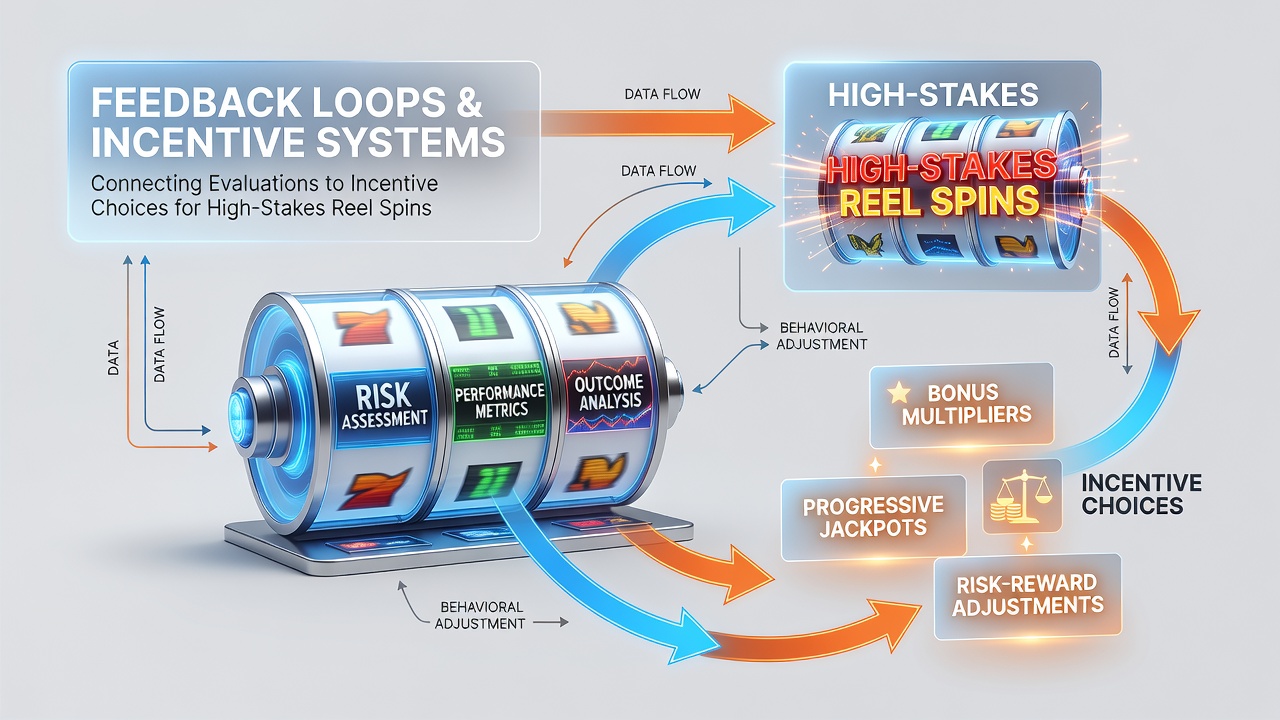
Feedback Mechanisms Linking Performance Assessments to Reward Structures in High-Stakes Reel Spins
Feedback loops in high-stakes reel spins operate through continuous cycles where performance evaluations directly inform subsequent incentive selections, and data from those incentives refine future assessments, while systems track metrics such as spin frequency, payout ratios, and player retention rates to adjust bonus parameters in real time, according to industry analytics platforms.
Operators collect evaluation data after each session, including win frequency and volatility exposure, then route that information into algorithms that determine which incentives like multiplier boosts or extended free spin rounds get offered for the next round of high-stakes activity, whereas players receive tailored prompts based on their historical patterns without manual intervention.
Core Components of Evaluation-to-Incentive Pathways
Evaluation frameworks begin with raw spin logs that capture bet sizes, reel outcomes, and session durations, after which statistical models process these inputs to identify performance thresholds that trigger specific incentive tiers, and researchers at institutions such as the Responsible Gambling Council have documented how these thresholds influence retention across multiple jurisdictions.
Incentive choices follow immediately once evaluations flag underperformance or streak patterns, with systems deploying options such as cashback percentages or reel-specific multipliers that align with the assessed risk profile, yet the loop closes when post-incentive data feeds back into the evaluation layer to recalibrate future offerings.
Technical Integration of Loop Systems
Modern reel platforms embed these loops within centralized databases that update every few spins, allowing incentive engines to pull fresh evaluation scores and push customized rewards without delay, while backend scripts monitor variance in high-stakes segments to prevent over-allocation of bonuses that could skew house-edge calculations.
August 2026 marks the scheduled rollout of updated API standards from several North American gaming authorities that require explicit logging of evaluation-incentive connections, ensuring transparency in how assessment scores translate into player-facing reward menus across mobile and desktop interfaces.
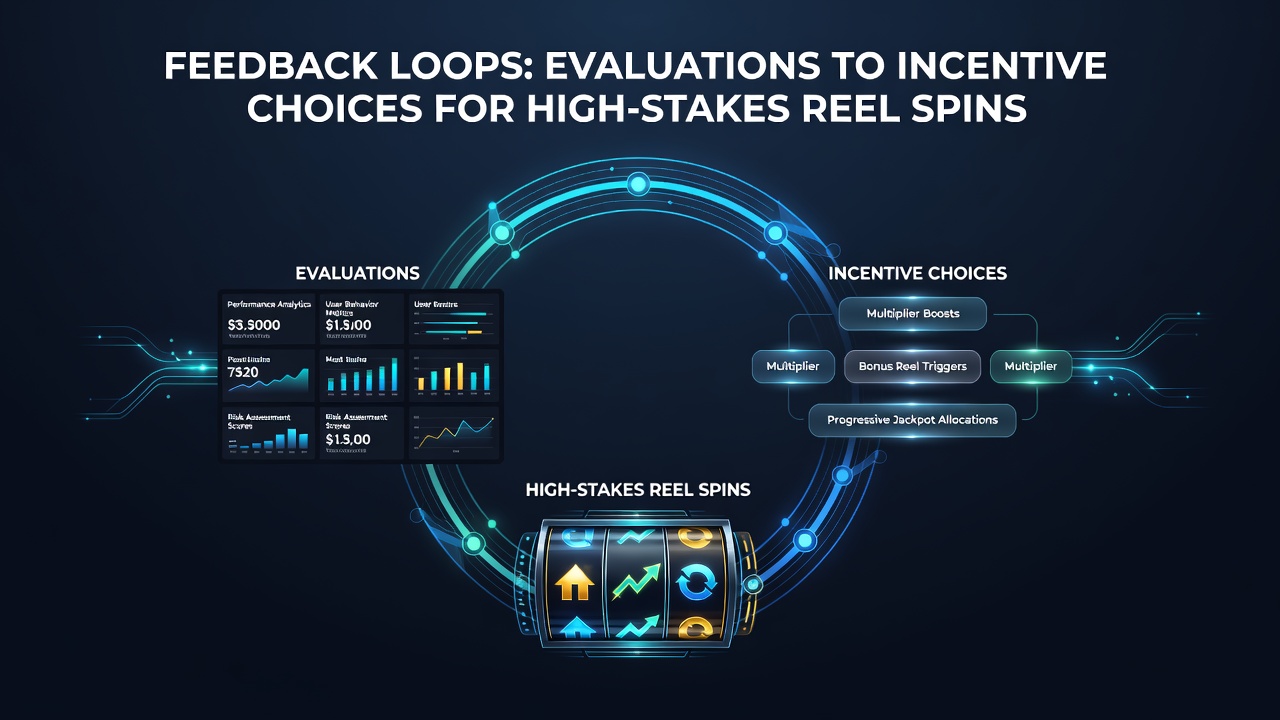
One documented implementation in Canadian markets demonstrates the process when a player’s evaluation score drops below a preset volatility benchmark, the system automatically surfaces high-stakes incentives such as progressive jackpot qualifiers, and subsequent spin results update the score to either sustain or withdraw those incentives based on realized outcomes.
Regulatory and Operational Considerations
Regulatory bodies in regions outside the United Kingdom, including the Australian Gambling Research Centre, require operators to maintain audit trails that map every evaluation metric to its corresponding incentive decision, which prevents arbitrary reward distribution and supports compliance reporting cycles that occur quarterly.
Operational teams review aggregated loop data to refine incentive menus, adjusting parameters such as minimum bet requirements for bonus eligibility when evaluation trends indicate shifts in player behavior during peak hours, and these adjustments occur through iterative testing rather than one-time overhauls.
Conclusion
Feedback loops that connect evaluations to incentive choices maintain stability in high-stakes reel environments by creating self-correcting pathways where performance data continuously shapes reward availability, and ongoing refinements in 2026 and beyond will depend on standardized data protocols that keep these cycles aligned with both operational goals and external oversight requirements.